Best time to visit The Shelborne — month by month
The best time to visit The Shelborne is during the dry season (roughly November–April) for the most reliable sunny weather, lower humidity, and easier beach days. Shoulder months May and November can give you a balance of decent weather, fewer crowds, and better rates, while June–October brings higher heat, humidity, frequent afternoon storms and peak seaweed (sargassum) risk.
In this guide
- Winter (December–February): peak weather, peak demand
- Spring (March–May): warm days, good shoulder-season value
- Summer (June–August): hot, wet and busiest seaweed months
- Fall (September–November): shoulder season with weather risk
- Family, pets and events — timing considerations
- Rooms & where to stay at The Shelborne
- Practical tips: bookings, transport and daily logistics
Winter (December–February): peak weather, peak demand
December through February fall inside Miami Beach’s dry season and are the most reliable months for sunny, low-humidity days and minimal rain. These months are popular with visitors seeking warm winter weather and the clearest beach conditions.
Expect higher occupancy at The Shelborne and nearby South Beach attractions — plan and reserve rooms and restaurant reservations in advance if you travel in winter.
- Weather: cooler nights and lower humidity; January and February have some of the driest averages.
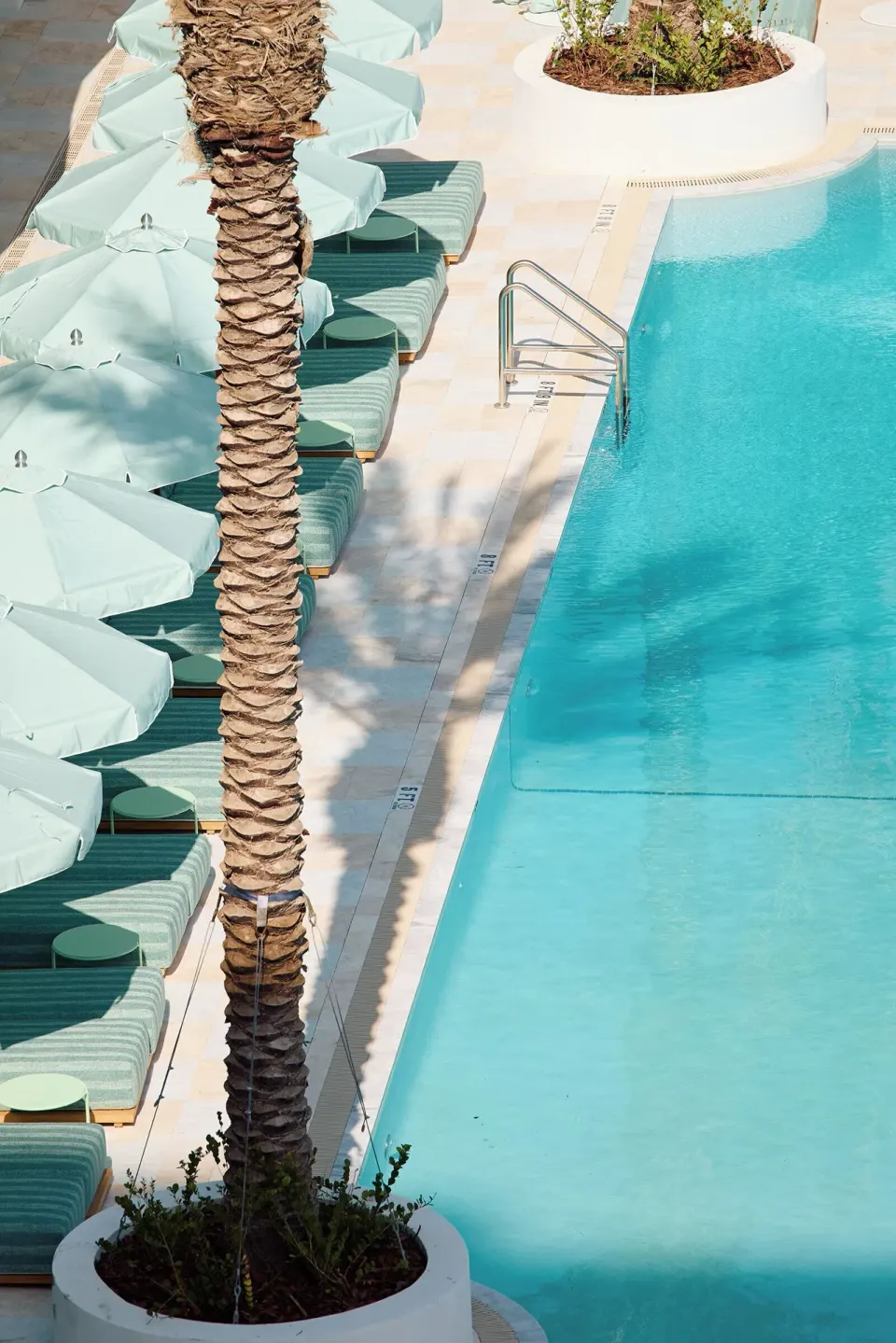
- Why go: best beach conditions and outdoor event possibilities (pool deck and Sky Terrace).
- Booking tip: reserve Pauline and any event spaces early; winter is the busiest season.
| Consider if you want |
|---|
| Reliable sun, beach access, and outdoor fitness classes |
| Higher rates and fuller restaurants (Pauline is open daily) |
| Easier scheduling for guided local tours and trolley connections |
Spring (March–May): warm days, good shoulder-season value
March through May are warm with rising humidity as Miami moves toward the wet season. Crowds begin to taper after spring-break peaks, making late spring a good compromise between weather and value.
Seaweed (sargassum) season starts in March and runs through October; effects vary year to year but tend to increase in intensity by late spring and summer.
- Weather: warm days, increasing humidity and risk of afternoon showers by May.
- Why go: fewer crowds than winter; pool deck, beach club and Pauline still fully operational.
- Tip: If you’re sensitive to seaweed, check local beach-condition reports before booking a specific beach day.
| Month | Best for |
|---|---|
| March–April | Warmer beach days with moderate crowds |
| May | Good deals and fewer tourists but rising humidity and showers |
Summer (June–August): hot, wet and busiest seaweed months
June through August are Miami Beach’s hottest months with high humidity and frequent afternoon thunderstorms; this period overlaps the Atlantic hurricane season. June is often the wettest month statistically.
This is also the time when sargassum reports are most common (June–July), which can affect beach conditions on any given day. If beach time is a primary reason to visit, monitor forecasts and local beach updates during these months.
- Weather: high temperatures (around 90°F on average), high humidity, near-daily afternoon storms possible.
- Beach note: seaweed (sargassum) is typically heaviest in June–July; conditions vary by year.
- Value: lower room rates and fewer international winter visitors; indoor options like Pauline, Little Torch, and The Bar are available.
| Considerations | What to plan |
|---|---|
| Heat & storms | Schedule mornings for beach/pool; reserve indoor dining for afternoons |
| Seaweed risk | Check daily beach-condition updates before heading to the sand |
| Lower winter crowds | Potentially lower room rates and easier restaurant availability |
Fall (September–November): shoulder season with weather risk
September and October remain inside the wet and hurricane seasons and can be hot and humid, with a continued chance of storms. November typically marks the return toward drier conditions as the dry season begins.
November is often recommended as a shoulder month for decent weather and fewer crowds compared with winter, while September–October may see the lowest room rates but greater weather uncertainty.
- September–October: more rain, higher hurricane-season risk — travel insurance and flexible plans are prudent.
- November: good shoulder-month choice — improving weather and lower crowds than winter.
- Event planning: outdoor wedding and event bookings should account for the no-amplified-music-after-11 PM rule and seasonal weather risk.
| Month | Recommendation |
|---|---|
| September–October | Best for lower rates; expect storm risk |
| November | Good compromise: better weather, fewer crowds |
| All fall months | Consider travel insurance for hurricane-season flexibility |
Family, pets and events — timing considerations
The Shelborne welcomes children of all ages and is dog-friendly with a one-time non-refundable pet fee of $100 per pet (max two pets per room, 45 lb limit). If traveling with family, pick winter or early spring for the most reliable beach days and pool access.
Couples or groups planning weddings or events should weigh season and weather: outdoor spaces such as the Sky Terrace and the pool deck work best in drier months (November–April), but the property has substantial indoor event space including the Grand Eldorado Ballroom.
- Family tip: beach toys for children and two complimentary beach chairs are included with the daily amenity package.
- Pet tip: pets must remain on a leash and are allowed in designated pet-walking areas and guestrooms.
- Event tip: outdoor amplified music must stop by 11 PM; reserve indoor backup spaces during wet season.
| Travel type | Best months |
|---|---|
| Family beach vacation | December–April |
| Lower-cost family trip | May or November |
| Wedding or large event | November–April (consider indoor backup during wet season) |
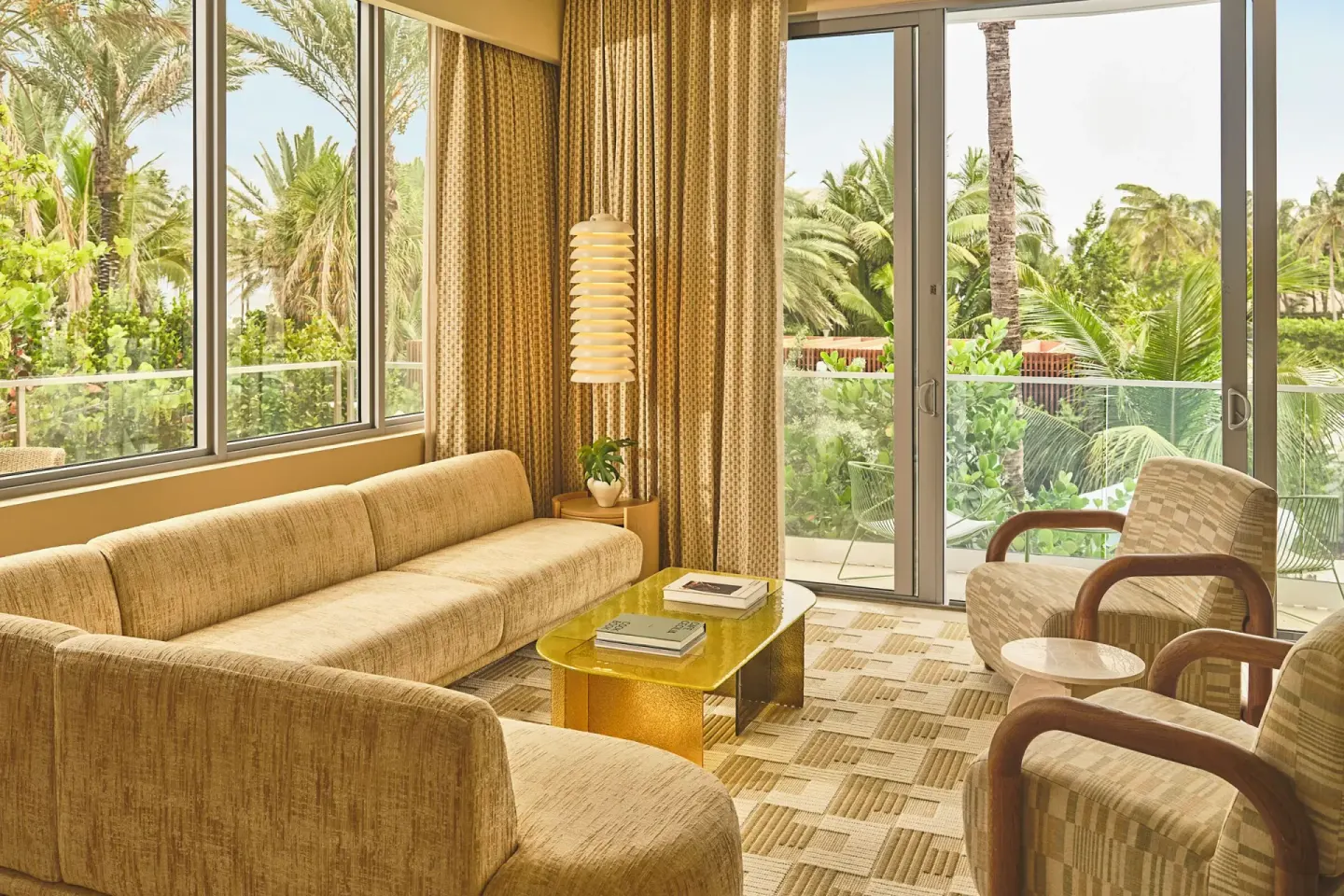
Rooms & where to stay at The Shelborne
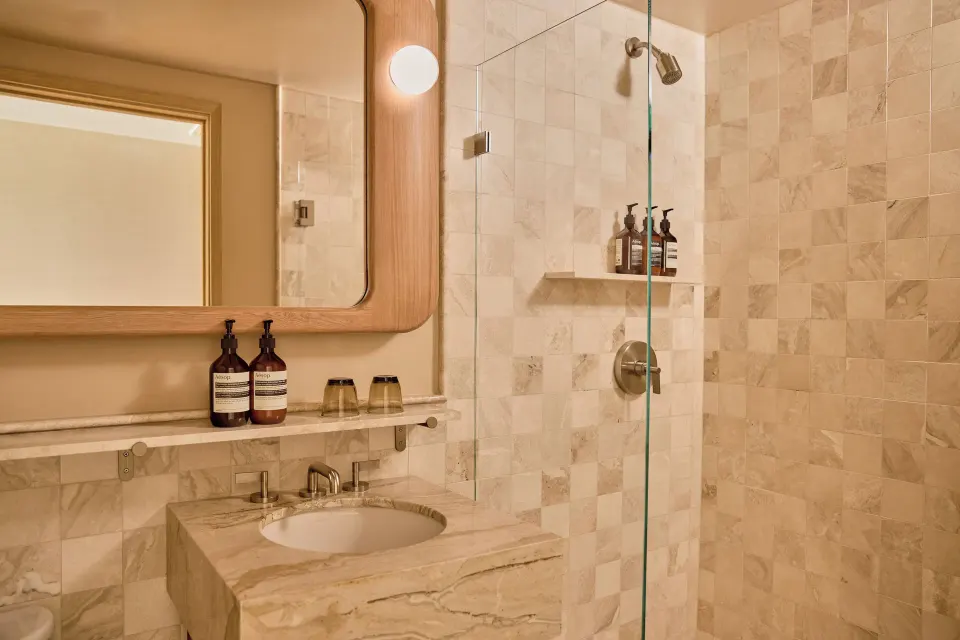
Choose a room type based on how much you value a direct ocean view, balcony space, or suite living areas. The hotel lists many room types including Room, 1 King Bed; Oceanfront Cozy Room; Room, Balcony, Oceanfront; Ocean View Pool villa One Bedroom Suite; Oceanfront Balcony Penthouse; and Two Bedroom Pool Villa Suite.
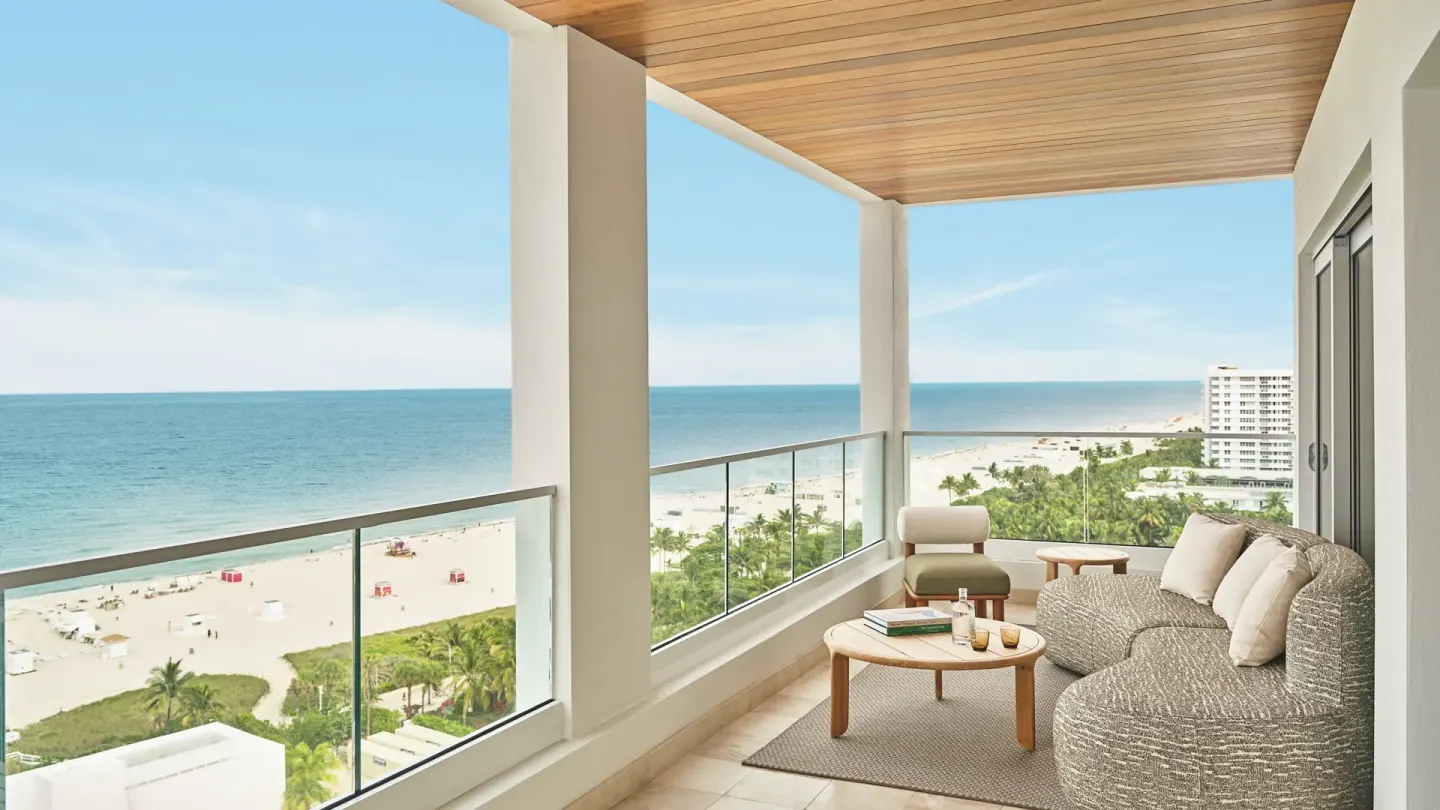
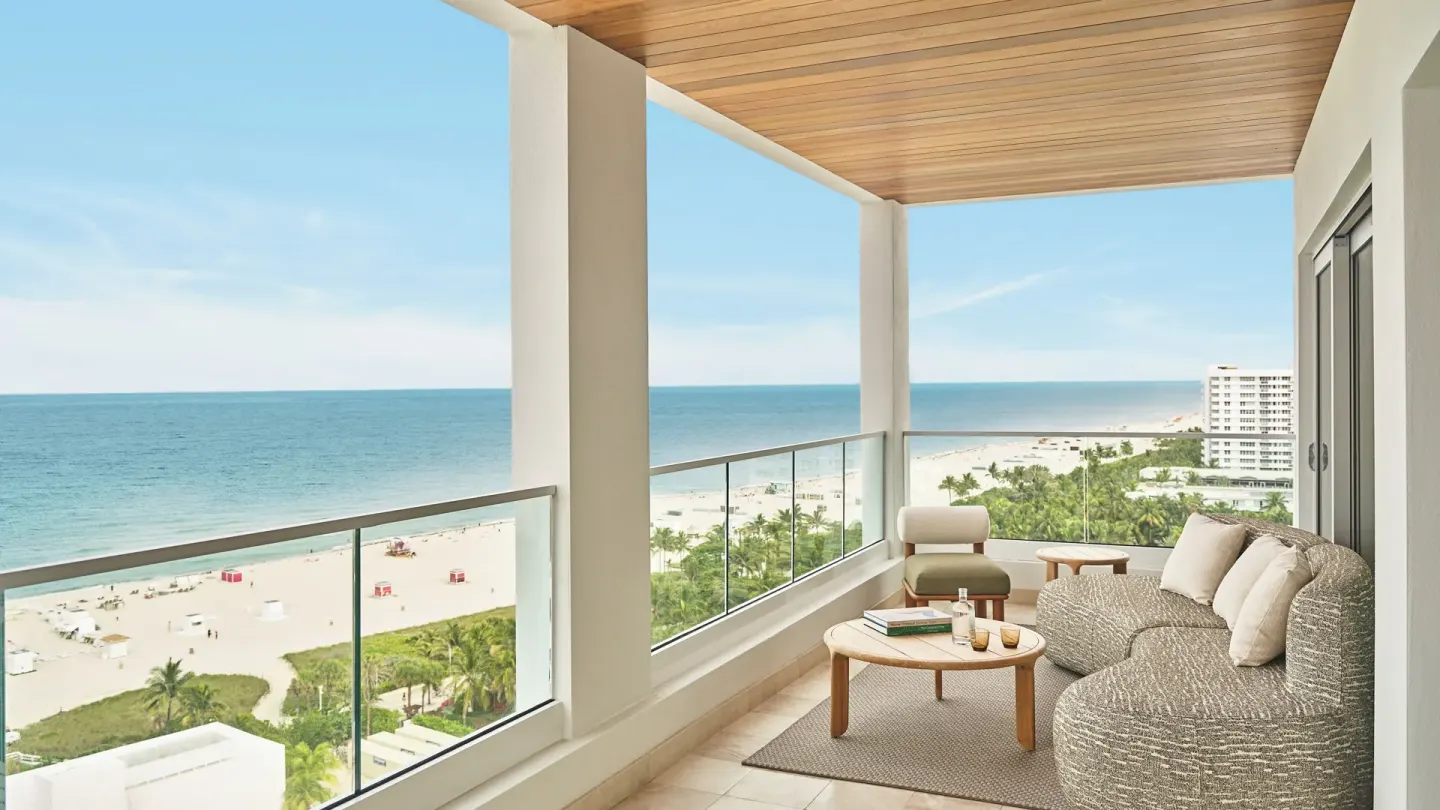
If beach time and ocean views are priorities, book an Oceanfront Cozy Room, Room, Balcony, Oceanfront, or the Oceanfront Balcony Penthouse during the dry season to maximize clear-sky days. If you want more indoor living space, consider the Ocean View Pool villa One Bedroom Suite or Two Bedroom Pool Villa Suite.
- Oceanfront options: Room, Balcony, Oceanfront; Oceanfront Cozy Room; Oceanfront Balcony Penthouse — best in November–April for clear beach days.
- Larger suites: Ocean View Pool villa One Bedroom Suite and Two Bedroom Pool Villa Suite — useful year-round if you need more space or a kitchenette.
- City-view options: Room, 1 King Bed, City View and Studio, City View — slightly less beach-facing but often less expensive in peak season.
| Room or Suite | When to pick it |
|---|---|
| Oceanfront Cozy Room | Dry season (Nov–Apr) for best ocean days |
| Room, 1 King Bed, City View / Studio, City View | Good year-round; more value during peak winter |
| Ocean View Pool villa One Bedroom Suite / Two Bedroom Pool Villa Suite | Great for families or longer stays any season |
| Oceanfront Balcony Penthouse | Book for premium ocean views in the drier months |
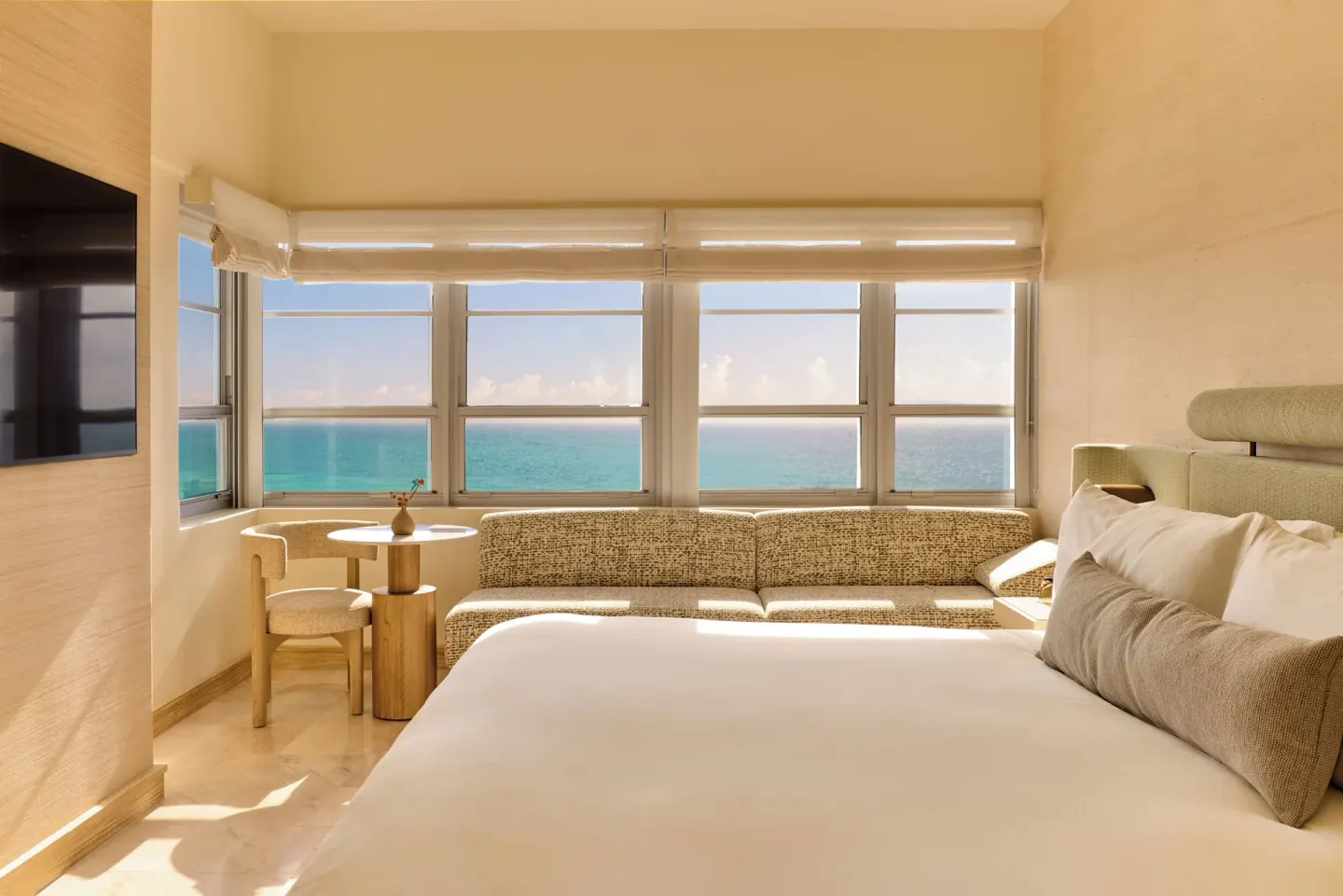
Practical tips: bookings, transport and daily logistics
Check-in at The Shelborne begins at 4:00 PM and check-out is by 11:00 AM. A valid government-issued photo ID and a credit card for incidentals are required; a $200-per-day incidental hold is placed on the card and released at check-out if unused.
The Shelborne charges a Daily Destination Amenity Fee that covers beach access with two complimentary beach chairs, daily coffee and water, fitness classes, bicycle access, Wi‑Fi and beach toys for children. Valet parking is available and the property provides tours and ticket assistance for local activities.
- Check-in/check-out: 4:00 PM check-in; 11:00 AM check-out.
- Resort fee: daily amenity fee applies and covers beach amenities, fitness classes and Wi‑Fi.
- Transport: The Shelborne is on Collins Avenue in Miami Beach; free local trolleys run on Miami Beach to connect to nearby attractions.
| Need-to-know | Fact |
|---|---|
| Incidentals | $200-per-day hold on credit card (released if unused) |
| Pet fee | One-time $100 per pet; max two pets; 45 lb limit |
| Dining | Pauline serves breakfast, lunch and dinner daily |